If you or someone you love is considering hearing aids in Waco, TX, this guide covers everything you need to make a confident, informed decision -- from the different types and how they work, to what they cost, what insurance covers, and what happens at your first fitting.
I wrote this because my patients deserve straight answers. Too many people spend months researching online and end up more confused than when they started. This is the guide I wish every patient could read before walking through our door.
What This Guide Covers
- 1. Types of hearing aids -- BTE, RIC, ITE, ITC, CIC
- 2. Hearing aid prices in Waco, TX ($4,000-$7,000)
- 3. Insurance coverage in Texas
- 4. How to choose between top brands
- 5. What to expect at your first fitting
- 6. Dr. Joy Hooter's approach by hearing loss type
- 7. OTC hearing aids vs. prescription
- 8. Maintenance and care tips
- 9. Frequently asked questions
1. Types of Hearing Aids: Which Style Is Right for You?
Hearing aids come in five main styles. Each has distinct advantages depending on your degree of hearing loss, dexterity, cosmetic preferences, and lifestyle. Here is an honest breakdown of each.
BTE -- Behind-the-Ear
The entire hearing aid sits behind the ear, connected to an earmold that fits inside the ear canal. The largest and most powerful style available.
Pros
- Maximum amplification for severe to profound loss
- Longest battery life of any style
- Easy to handle and clean
- Most durable construction
- Accommodates larger controls and telecoils
Cons
- Most visible style
- Can feel bulky for some wearers
- Wind noise can be an issue outdoors
- Earmold requires custom impression
Best for: Severe to profound hearing loss, older adults, patients who need easy handling, children
RIC -- Receiver-in-Canal
A small unit sits behind the ear connected by a thin wire to a receiver (speaker) that sits inside the ear canal. The most popular style in 2026 for good reason.
Pros
- Discreet and lightweight
- Covers mild to severe hearing loss
- Best selection of advanced features (Bluetooth, AI, rechargeability)
- Natural sound quality with open-fit domes
- Easy receiver replacements reduce repair costs
Cons
- Receiver in the canal can be affected by moisture and earwax
- Not suitable for profound hearing loss
- Thin wire can be fragile
Best for: Mild to severe hearing loss, first-time wearers, active lifestyles, anyone wanting advanced features
ITE -- In-the-Ear
Custom-molded to fill the outer bowl of the ear. No component sits behind the ear. Available in full-shell and half-shell versions.
Pros
- Easy to insert and remove
- Room for larger battery and more features than smaller in-ear styles
- Good for moderate to severe hearing loss
- Can include volume controls and program buttons
Cons
- Visible in the ear
- More susceptible to earwax damage
- Can feel occluded (plugged-up sensation)
- Requires custom ear impression
Best for: Moderate to severe hearing loss, patients who prefer a single-piece device, those who wear glasses
ITC -- In-the-Canal
Custom-made to fit partly in the ear canal. Smaller and less visible than ITE models, but still accessible enough to handle easily.
Pros
- Less visible than ITE
- More features than CIC (may include directional mics)
- Comfortable custom fit
- Good balance of size and performance
Cons
- Limited to mild to moderate hearing loss
- Smaller battery than BTE or ITE
- May lack Bluetooth in some models
- Earwax can clog the receiver
Best for: Mild to moderate hearing loss, patients wanting a balance of discretion and functionality
CIC -- Completely-in-Canal
The smallest custom style, fitting entirely inside the ear canal. Virtually invisible when worn. Some manufacturers also offer IIC (Invisible-in-Canal) variants that sit even deeper.
Pros
- Nearly invisible -- the most cosmetically appealing option
- Reduced wind noise due to canal placement
- Natural sound localization
- Comfortable for phone use
Cons
- Only suitable for mild to moderate loss
- Smallest battery -- shorter life between changes
- Usually no Bluetooth or rechargeable options
- Requires good dexterity to insert and remove
- Most vulnerable to earwax and moisture damage
Best for: Mild to moderate hearing loss, patients who prioritize invisibility, those with good manual dexterity
Which style do most patients choose in 2026?
At Hooter Hearing, approximately 70% of new fittings are RIC devices. They offer the best balance of discretion, features, and performance for the widest range of hearing loss. That said, the right style for you depends on your specific audiogram, lifestyle, and preferences -- and that is exactly what we help you figure out.
2. Hearing Aid Prices in Waco, TX (2026)
Let me be direct about pricing. The cost of hearing aids varies based on technology level, not just the brand name on the device. Here is what patients in Waco, TX can expect to pay in 2026:
Essential Technology
Reliable amplification, noise reduction, automatic program switching, and Bluetooth streaming. A great starting point for patients with quieter lifestyles.
$4,000 - $5,000
Advanced Technology
Superior speech-in-noise performance, rechargeable batteries, more processing channels, and enhanced Bluetooth connectivity. Handles moderately noisy environments well.
$5,000 - $6,000
Premium Technology
AI-driven sound processing, best-in-class noise separation, health tracking, fall detection, maximum channels and customization. For active, social lifestyles and demanding listening environments.
$6,000 - $7,000
All prices are per pair and include the devices, professional fitting, real-ear measurement verification, programming, follow-up adjustment visits, and warranty coverage. You are not just paying for hardware -- you are paying for expert care.
"I always tell patients: buying hearing aids without professional fitting is like buying prescription glasses at a gas station. The device is only as good as the programming behind it."
-- Dr. Joy Hooter, Au.D.
3. Insurance Coverage for Hearing Aids in Texas
Insurance coverage for hearing aids remains inconsistent in Texas, but it has improved significantly in recent years. Here is what you need to know for each major payer:
Medicare (Traditional Parts A & B)
Does not cover hearing aids. Does cover diagnostic hearing evaluations when ordered by a physician. This is a major gap in Medicare coverage that has not changed despite legislative efforts.
Medicare Advantage Plans
Many Medicare Advantage plans now include hearing aid benefits, typically ranging from $500 to $2,500 per ear. Coverage varies widely between plans -- some cover specific brands or technology levels. We verify your exact benefits before recommending anything.
Texas Medicaid
Texas Medicaid covers hearing aids for children under 21 through EPSDT. Adult Medicaid coverage for hearing aids is limited but available for qualifying individuals. Prior authorization is typically required.
Blue Cross Blue Shield (BCBS)
Many BCBS plans in Texas include hearing aid benefits, often through a partnership with TruHearing or a similar hearing benefits administrator. Coverage typically provides a set allowance per ear every 3-5 years.
UnitedHealthcare
UHC offers hearing aid benefits through many of its plans, including employer-sponsored and individual plans. United Healthcare Hearing provides access to discounted devices. We work directly with UHC to maximize your coverage.
Aetna
Aetna plans increasingly include hearing aid benefits. Coverage amounts and eligible devices vary by plan. Check your specific plan documents or call us and we will verify for you.
Baylor Scott & White Health Plan
As a major Central Texas provider, BSW plans often include hearing benefits. Both their standard and SeniorCare plans may cover a portion of hearing aid costs. We are an in-network provider.
CareCredit & Cherry Financing
For out-of-pocket costs, we offer financing through both CareCredit and Cherry. Both offer 0% APR options with affordable monthly payments. Cherry approves up to 90% of applicants with no hard credit check and plans from 6 weeks to 60 months. Manageable payments that make quality hearing aids accessible.
Not sure what your insurance covers?
Call us at (254) 362-2962 and we will verify your hearing aid benefits before your appointment -- Knowing your coverage upfront removes the biggest source of stress from the process.
4. How to Choose Between Hearing Aid Brands
Hooter Hearing is an independent practice -- we are not locked into any single manufacturer. That means we recommend based on what actually works best for each patient. Here is how the major brands compare in 2026:
Phonak
Headquarters: Switzerland (Sonova Group)
Flagship (2026): Audeo Infinio Sphere
Phonak consistently leads in speech-in-noise performance. Their Spheric Speech Clarity technology uses a deep neural network to process sound from every direction simultaneously -- a meaningful step beyond traditional directional microphone systems. Excellent Bluetooth connectivity across both iOS and Android.
Best for: Social settings, restaurants, active lifestyles, patients who need top-tier noise management
Oticon
Headquarters: Denmark (Demant Group)
Flagship (2026): Oticon Intent
Oticon's BrainHearing philosophy focuses on supporting how the brain processes sound rather than just amplifying it. Oticon Intent features 4D sensor technology that detects head movement and listening intent, plus second-generation AI processing. Exceptional for natural sound quality.
Best for: Patients who value natural sound, those with cognitive concerns, complex listening environments
Starkey
Headquarters: Minnesota, USA
Flagship (2026): Genesis AI
Starkey is the only major hearing aid manufacturer based in the United States. Their Genesis AI platform leads in health monitoring features including fall detection, activity tracking, and brain health scoring through the Thrive app. Also offers excellent sound quality.
Best for: Patients interested in health tracking, fall detection, Made-for-iPhone users, those who want an American-made device
ReSound
Headquarters: Denmark (GN Group)
Flagship (2026): ReSound Nexia
ReSound pioneered Made-for-iPhone hearing aids and continues to deliver excellent Apple ecosystem integration. Their Organic Hearing philosophy uses M&RIE (Microphone & Receiver-in-Ear) technology that captures sound using your ear's natural shape for more natural directionality.
Best for: Apple/iPhone users, patients wanting natural directionality, tinnitus management (built-in sound therapy)
Widex
Headquarters: Denmark (WS Audiology)
Flagship (2026): Widex SmartRIC
Widex is renowned for the most natural, pure sound quality in the industry. Their ZeroDelay processing delivers sound to the eardrum in under 0.5 milliseconds, virtually eliminating the artificial quality many hearing aid wearers notice. SoundSense Learn uses machine learning to adapt to your preferences over time.
Best for: Musicians, audiophiles, patients sensitive to sound quality, those who found other brands "tinny" or "artificial"
Signia
Headquarters: Germany (WS Audiology)
Flagship (2026): Signia IX
Signia's standout feature is Own Voice Processing (OVP), which processes the wearer's own voice separately from external sounds. This solves one of the most common complaints new hearing aid users have: "My own voice sounds weird." Signia also offers a wide range of form factors including the ultra-discreet Silk IX.
Best for: First-time wearers bothered by their own voice, patients wanting the most discreet CIC option, German engineering enthusiasts
Our primary fitting brands at Hooter Hearing
We primarily fit Phonak and Oticon for new patients because these two brands consistently deliver the best clinical outcomes across the widest range of hearing loss profiles. However, we also service and support Starkey, ReSound, Widex, Signia, and Unitron devices. If you are already wearing a different brand, we are happy to adjust and maintain your current aids.
5. What to Expect at Your First Fitting at Hooter Hearing
Your first fitting appointment is where everything comes together. Here is exactly what happens, step by step:
-
1
Physical Fit Check
Dr. Hooter ensures the devices sit comfortably in or behind your ears. For custom devices, we check that the shell fits your ear canal precisely. For RIC devices, we select the right dome size and wire length.
-
2
Programming to Your Audiogram
Using your comprehensive audiogram, we program each hearing aid to amplify exactly the frequencies where you have hearing loss -- and leave the frequencies you hear well alone. This is precision work, not a one-size-fits-all preset.
-
3
Real-Ear Measurement (REM)
This is the gold standard verification step that separates professional fittings from box-store setups. A thin probe microphone is placed in your ear canal alongside the hearing aid to measure exactly what sound is reaching your eardrum. We adjust programming until the output matches evidence-based prescriptive targets. Not every provider does this -- we do it for every single fitting.
-
4
Bluetooth and App Setup
We pair your hearing aids to your smartphone, set up the manufacturer's app, and walk you through volume controls, program switching, and any health monitoring features.
-
5
Care and Maintenance Training
You will learn how to insert and remove your hearing aids, clean them properly, charge or change batteries, and troubleshoot common issues. We do not rush this -- taking time here prevents frustration later.
-
6
Follow-Up Schedule
We schedule your first follow-up visit (typically 2-3 weeks after fitting) and outline the adjustment period. Most patients need 2-4 follow-up visits to optimize their programming as their brain adapts to hearing sounds it has been missing.
"The fitting appointment is where I earn my keep. Two patients with identical audiograms can need completely different programming. That is why I personally handle every fitting -- no hand-offs, no technicians doing the critical work."
-- Dr. Joy Hooter, Au.D.
6. Dr. Joy Hooter's Recommendations by Hearing Loss Type
After fitting hearing aids for thousands of patients across Central Texas, here is my general approach based on the type and degree of hearing loss. Every patient is unique, but these guidelines reflect what works most consistently:
Mild High-Frequency Loss (the most common type)
This is the classic "I can hear people talking but can't make out the words" pattern. RIC hearing aids with open-fit domes work beautifully here -- they amplify the high frequencies you are missing while letting low frequencies pass through naturally. Mid-range technology is usually sufficient unless you spend significant time in noisy environments.
Moderate Hearing Loss (both frequencies affected)
When loss extends across the frequency range, you need more amplification and better noise management. I typically recommend mid-range to premium RIC devices with closed domes or custom molds for better sound containment. Phonak Audeo Infinio or Oticon Intent in a mid-to-premium tier are excellent choices.
Severe to Profound Loss
This requires maximum power. BTE hearing aids with custom earmolds are often the best option because they deliver the strongest amplification with the least feedback risk. For patients who resist BTE aesthetics, some powerful RIC models (like Phonak Naida) can work with custom molds -- but we always prioritize function over cosmetics at this level.
Unilateral (Single-Sided) Hearing Loss
When only one ear has significant loss, CROS or BiCROS hearing aids can route sound from the impaired side to the better ear. This is a specialized fitting that requires careful evaluation. We also consider bone-anchored options depending on the cause and degree of loss.
Hearing Loss with Tinnitus
Most major brands now include built-in tinnitus sound therapy -- gentle background sounds (white noise, ocean waves, or customizable tones) that provide relief while the hearing aids simultaneously address your hearing loss. ReSound and Widex have particularly strong tinnitus management programs. For many patients, simply amplifying the frequencies they have been missing reduces tinnitus noticeably.
7. OTC Hearing Aids vs. Prescription: When to See an Audiologist
Over-the-counter hearing aids became available in the US in 2022, and by 2026 you can find them at Costco, Walmart, Best Buy, and Amazon. I want to give you an honest assessment of where they fit and where they fall short.
OTC Hearing Aids
- + Lower upfront cost ($200-$1,500)
- + Available without appointment
- + Good entry point for mild loss
- - Self-fitted with no professional programming
- - FDA-approved only for mild to moderate loss in adults 18+
- - No real-ear measurement verification
- - No ongoing adjustments or professional support
- - High return/abandonment rates
Prescription Hearing Aids
- + Programmed precisely to your audiogram
- + Verified with real-ear measurements
- + Covers all degrees of hearing loss
- + Ongoing professional adjustments included
- + Insurance often covers a portion
- + Comprehensive warranty and repair support
- + Access to premium technology and features
- + Dramatically better long-term outcomes
When OTC might be appropriate
- You have confirmed mild hearing loss (diagnosed by an audiologist)
- Your primary need is amplification in quiet settings (TV, one-on-one conversation)
- You have good dexterity and are comfortable with self-fitting technology
- Budget is a hard constraint and professional hearing aids are not feasible
When you should see an audiologist
- You have not had a professional hearing evaluation (you need to know what you are dealing with first)
- Your hearing loss is moderate, severe, or profound
- You struggle in noisy environments like restaurants or family gatherings
- You have tinnitus, dizziness, or sudden hearing changes
- You have hearing loss in only one ear
- You tried OTC hearing aids and they did not help
- You have a medical condition that affects hearing (diabetes, cardiovascular disease)
"I am not against OTC hearing aids -- they have made hearing help more accessible for people with mild loss. But I see patients every week who bought a $900 device online that is sitting in a drawer. The fitting and follow-up care is as important as the device itself. If you are going to invest in your hearing, invest in doing it right."
-- Dr. Joy Hooter, Au.D.
8. Hearing Aid Maintenance and Care Tips
Proper care extends the life of your hearing aids and keeps them performing at their best. These habits take just a few minutes a day and can save you hundreds in repairs.
Daily Cleaning
Wipe your hearing aids with a soft, dry cloth every night before charging or storing them. Use the cleaning tools provided (brush, wax pick, vent cleaner) to remove earwax from the receiver opening and microphone ports. Never use water, alcohol, or household cleaners.
Moisture Management
Moisture is the number one enemy of hearing aids. If you do not use rechargeable hearing aids with a drying function built into the charger, invest in a hearing aid dehumidifier (about $20-40). Place your aids in the dehumidifier overnight. Remove hearing aids before showering, swimming, or heavy exercise.
Battery Care
For rechargeable aids: charge every night and avoid letting the battery fully drain. For disposable batteries: store at room temperature (not in the fridge), remove the battery tab and wait 2 minutes before inserting, and always carry spares.
Earwax Management
Earwax is the most common cause of hearing aid malfunction. If you produce a lot of earwax, schedule regular professional ear wax removal at our office. Use wax guards on your hearing aids and replace them as recommended.
Storage
When not wearing your hearing aids, store them in their case or charging dock. Keep them away from pets (dogs are notorious for chewing hearing aids), children, extreme heat, and direct sunlight. Never leave them in a hot car.
Professional Maintenance
Bring your hearing aids to Hooter Hearing for professional cleaning and inspection every 3-6 months. We use specialized equipment to deep-clean components, replace wax guards and domes, check battery health, and catch potential issues before they become costly repairs.
9. Frequently Asked Questions
How much do hearing aids cost in Waco, TX in 2026?
Hearing aids at Hooter Hearing range from $4,000 to $7,000 per pair depending on technology level. Essential technology starts around $4,000-$5,000, advanced devices run $5,000-$6,000, and premium hearing aids with AI processing cost $6,000-$7,000. All prices include professional fitting, programming, follow-up visits, and warranty.
Does Medicare cover hearing aids in Texas?
Traditional Medicare (Parts A & B) does not cover hearing aids. However, many Medicare Advantage plans include hearing aid benefits ranging from $500 to $2,500 per ear. We verify your specific benefits before your appointment.
What is the best hearing aid brand in 2026?
There is no single "best" brand -- the right hearing aid depends on your hearing loss, lifestyle, and budget. Phonak leads in speech-in-noise performance, Oticon excels in natural sound processing, Starkey offers the best health tracking, ReSound provides excellent iPhone integration, Widex delivers the most natural sound quality, and Signia is known for own-voice processing. Dr. Hooter recommends based on each patient's individual needs.
Are OTC hearing aids worth it?
OTC hearing aids can work for adults with confirmed mild hearing loss who primarily need amplification in quiet settings. However, they lack professional programming, real-ear verification, and ongoing support. Many patients who try OTC devices end up seeking professional fitting after the initial purchase does not meet expectations.
What should I expect at my first hearing aid fitting?
Your first fitting at Hooter Hearing takes about 60-90 minutes. Dr. Hooter will program your aids to your audiogram, verify output with real-ear measurements, set up Bluetooth and apps, train you on care and maintenance, and schedule follow-up visits for fine-tuning.
How long do hearing aids last?
Modern hearing aids last 5-7 years with proper care. Regular cleaning, moisture management, and professional maintenance from Hooter Hearing help extend their lifespan.
Which type of hearing aid is best for severe hearing loss?
Behind-the-Ear (BTE) hearing aids with custom earmolds are typically the best option for severe to profound hearing loss because they provide maximum amplification, longest battery life, and the most durable construction.
Can I finance hearing aids in Waco?
Yes. Hooter Hearing offers financing through both CareCredit and Cherry, with 0% APR options available. Cherry approves up to 90% of applicants with no hard credit check. We also accept most major insurance plans. Call (254) 362-2962 to discuss your options.
Ready to Get Started?
Schedule your comprehensive hearing evaluation at Hooter Hearing. We are located at 6600 Sanger Ave #11, Waco, TX 76710 -- open Monday through Thursday, 9:00 AM to 4:30 PM.
Related Articles
Ready to Find Out What You Need?
A comprehensive hearing exam takes about an hour and answers all your questions about hearing loss, options, and costs.
Schedule Your Hearing ExamWaco, TX · Most Insurance Accepted · No Referral Needed
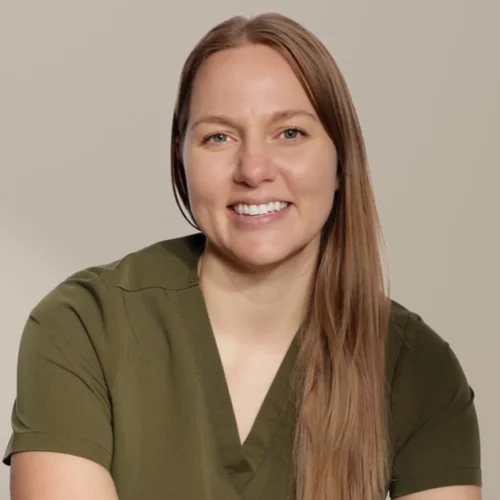
Dr. Joy Hooter, Au.D.
Doctor of Audiology, CCC-A, FAAA, ABA Certified
Dr. Joy Hooter is a board-certified Doctor of Audiology with over 10 years of clinical experience. She holds the following credentials:
- Au.D. — Doctor of Audiology degree
- CCC-A — Certificate of Clinical Competence in Audiology (American Speech-Language-Hearing Association)
- FAAA — Fellow of the American Academy of Audiology
- ABA Certified — American Board of Audiology Board Certification
Dr. Hooter specializes in adult and pediatric hearing loss, hearing aid fitting and counseling, tinnitus management, and custom ear protection. She serves patients throughout Central Texas from her practice in Waco, including Hewitt, Woodway, China Spring, Lorena, Robinson, and Bellmead.
Ready to Find Out What You Need?
A comprehensive hearing exam takes about an hour and answers all your questions about hearing loss, options, and costs.
Schedule Your Hearing ExamWaco, TX · Most Insurance Accepted · No Referral Needed