One of the most common questions we hear at Hooter Hearing is: "Does my insurance cover hearing aids?" The answer depends on your plan — but there are more options than most people realize.
Here's a straightforward breakdown of what's covered in Texas as of 2026, what to watch out for, and how to get quality hearing care without overpaying.
Original Medicare (Parts A & B)
The short answer: Original Medicare does not cover hearing aids. It also doesn't cover routine hearing exams for the purpose of fitting hearing aids.
However, Medicare Part B does cover diagnostic hearing tests if they're ordered by a physician to evaluate a medical condition. If your doctor suspects hearing loss is related to a medical issue, that initial hearing evaluation may be covered.
The Medicare Hearing Aid Coverage Act (H.R. 500) has been introduced in Congress and would require Medicare to cover hearing aids starting in 2026, but as of May 2026, it has not been signed into law.
Medicare Advantage (Part C)
This is where things get more promising. Many Medicare Advantage plans include hearing aid benefits as part of their supplemental coverage. These plans are offered by private insurers and often include:
- A fixed dollar allowance per ear (typically $500–$2,500) every 1–3 years
- Coverage for hearing exams and fittings
- Discounted pricing through preferred provider networks
The catch: benefits vary widely by plan. Some plans offer generous allowances; others cover only basic-tier devices. Before your appointment, we can verify your Medicare Advantage benefits and tell you exactly what's covered.
Pro tip from Dr. Hooter:
"If you're choosing a Medicare Advantage plan during open enrollment, look for plans that offer a hearing aid allowance of at least $1,500 per ear. That gets you into mid-tier technology, which makes a meaningful difference in speech clarity — especially in noisy environments like restaurants."
Texas Medicaid
Texas Medicaid covers hearing aids and hearing exams for children under 21 through the EPSDT (Early and Periodic Screening, Diagnostic, and Treatment) benefit. This includes:
- Diagnostic hearing evaluations
- Hearing aids and ear molds
- Hearing aid repairs and replacements
For children who need hearing support, Dr. Hooter provides specialized pediatric audiology and works with families to navigate the Medicaid approval process.
Adult Medicaid coverage for hearing aids in Texas is limited. Some Medicaid managed care organizations (MCOs) may offer partial benefits, but it's not guaranteed. Contact your MCO directly to check.
Private Insurance (BCBS, Aetna, United, Cigna)
Private insurance coverage for hearing aids in Texas varies significantly by employer and plan. Here's what we typically see:
Blue Cross Blue Shield (BCBS)
Many BCBS plans include hearing aid benefits — often a fixed dollar amount per ear every 3–5 years. Federal employee plans (FEHB) through BCBS tend to have the strongest hearing coverage.
Aetna
Aetna plans frequently cover hearing aids with an allowance per ear every 3 years. Some plans also cover the hearing exam and fitting fees separately.
United Healthcare
UHC offers hearing benefits through their hi HealthInnovations program on many plans. Coverage varies but often includes discounts or allowances on select devices.
Cigna
Cigna hearing benefits depend on the employer's plan selection. Some plans cover up to $2,500 per ear; others have no hearing benefit at all.
What we do for you:
At Hooter Hearing, we verify your insurance benefits before your appointment so there are no surprises. We'll tell you exactly what your plan covers, what your out-of-pocket cost will be, and whether financing makes sense for the difference.
Veterans Benefits (VA)
Veterans with service-connected hearing loss are eligible for hearing aids through the VA at no cost. Even veterans without a service-connected disability may qualify for VA hearing care depending on their enrollment priority group.
If you're a veteran and prefer to see a local audiologist rather than driving to the VA, some VA Community Care programs allow you to receive care from private providers. Ask your VA coordinator about Community Care eligibility.
How Much Do Hearing Aids Cost Without Insurance?
Hearing aids in Waco, TX typically range from $4,000 to $7,000 per pair depending on the technology level and features. That price at Hooter Hearing includes:
- The hearing devices themselves
- Professional fitting with real-ear measurements
- Programming customized to your audiogram
- Follow-up adjustments during the trial period
- Ongoing support and maintenance
We carry hearing aids from all major manufacturers — Phonak, Oticon, Starkey, ReSound, Widex, and Unitron. As an independent practice, Dr. Hooter recommends the best fit for your hearing loss and lifestyle — not whichever brand has the highest margin.
Financing Options
Insurance doesn't cover everything? That doesn't mean you should wait. Untreated hearing loss is linked to cognitive decline, social isolation, and depression. At Hooter Hearing, we offer two financing programs to make hearing aids accessible:
CareCredit
- 0% APR promotional financing for up to 12 months
- Accepted at 260,000+ healthcare providers nationwide
- Quick online application with instant decision
Cherry
- No hard credit check (soft pull only — won't affect your score)
- 0% APR options available
- Payment plans up to 60 months
Many patients combine their insurance benefit with financing to cover the remaining balance. For example: if your plan covers $1,500 per ear and your hearing aids are $5,500, you'd finance the remaining $2,500 — often for under $100/month with 0% interest.
How to Maximize Your Hearing Aid Benefits
- Call us before your appointment. We'll verify your benefits and explain exactly what's covered — and what isn't.
- Check your plan's hearing aid allowance cycle. Most plans reset every 3–5 years. If you're due, don't leave money on the table.
- Ask about bundled vs. unbundled pricing. Some plans cover the device but not the fitting. We'll break down the costs so you know what you're paying for.
- Use your FSA or HSA. Hearing aids are an eligible expense. If you have a Flexible Spending Account or Health Savings Account, you can use those dollars toward your hearing aids.
- Don't settle for "covered" devices only. Some insurance networks push you toward specific brands. As an independent clinic, we can fit any brand — and often find better technology within your budget.
Frequently Asked Questions
Does Medicare cover hearing aids in 2026?
Original Medicare (Parts A and B) does not cover hearing aids or routine hearing exams for fitting. However, many Medicare Advantage (Part C) plans include hearing aid benefits with allowances ranging from $500 to $2,500 per ear. Part B does cover diagnostic hearing tests ordered by a physician.
Does Texas Medicaid cover hearing aids for adults?
Adult Medicaid hearing aid coverage in Texas is limited. Children under 21 are covered through EPSDT. Some adult Medicaid managed care plans may offer partial benefits — contact your MCO to verify.
How much do hearing aids cost without insurance?
Hearing aids in Waco, TX typically range from $4,000 to $7,000 per pair depending on technology level. This includes the devices, professional fitting with real-ear measurements, and ongoing support. 0% financing is available.
Does Blue Cross Blue Shield cover hearing aids in Texas?
Many BCBS plans include hearing aid benefits, though coverage varies by plan. Some cover a fixed dollar amount per ear every 3–5 years. We can verify your specific BCBS benefits before your appointment.
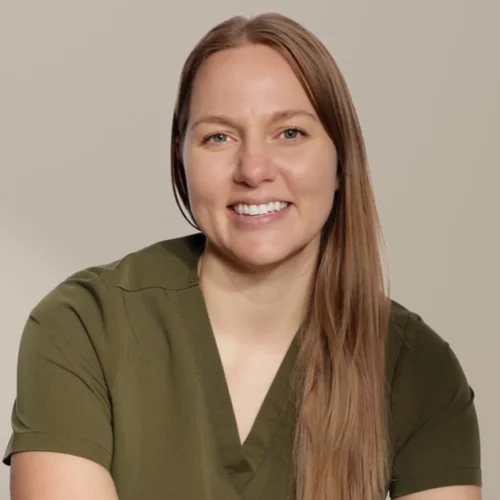
Dr. Joy Hooter, Au.D.
Doctor of Audiology, CCC-A, FAAA, ABA Certified
Dr. Joy Hooter is a board-certified Doctor of Audiology with over 10 years of clinical experience. She holds the following credentials:
- Au.D. — Doctor of Audiology degree
- CCC-A — Certificate of Clinical Competence in Audiology (American Speech-Language-Hearing Association)
- FAAA — Fellow of the American Academy of Audiology
- ABA Certified — American Board of Audiology Board Certification
Dr. Hooter specializes in adult and pediatric hearing loss, hearing aid fitting and counseling, tinnitus management, and custom ear protection. She serves patients throughout Central Texas from her practice in Waco, including Hewitt, Woodway, China Spring, Lorena, Robinson, and Bellmead.
Related Articles
Complete Guide to Hearing Aids in Waco (2026)
Everything you need to know about choosing, fitting, and maintaining hearing aids in Central Texas.
Hearing Aid Brands We Carry
Phonak, Oticon, Starkey, ReSound, Widex, Unitron — see which technology is right for your hearing loss.
Financing Options
CareCredit and Cherry — 0% APR options to make hearing aids affordable for every budget.