Advanced Hearing Aids and Professional Audiology for Waco, Temple & Killeen
Led by Dr. Joy Hooter, Au.D., with over a decade of experience providing personalized, expert hearing care to families across Waco, Temple, Killeen, and Central Texas.
Led by Dr. Joy Hooter, Au.D., with over a decade of experience providing personalized, expert hearing care to families across Waco, Temple, Killeen, and Central Texas.
Experience the difference that personalized, expert care makes
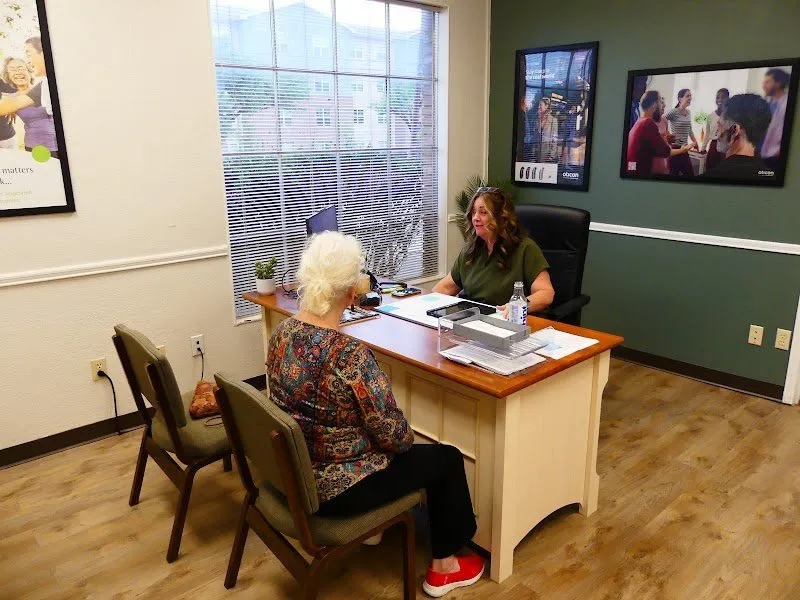
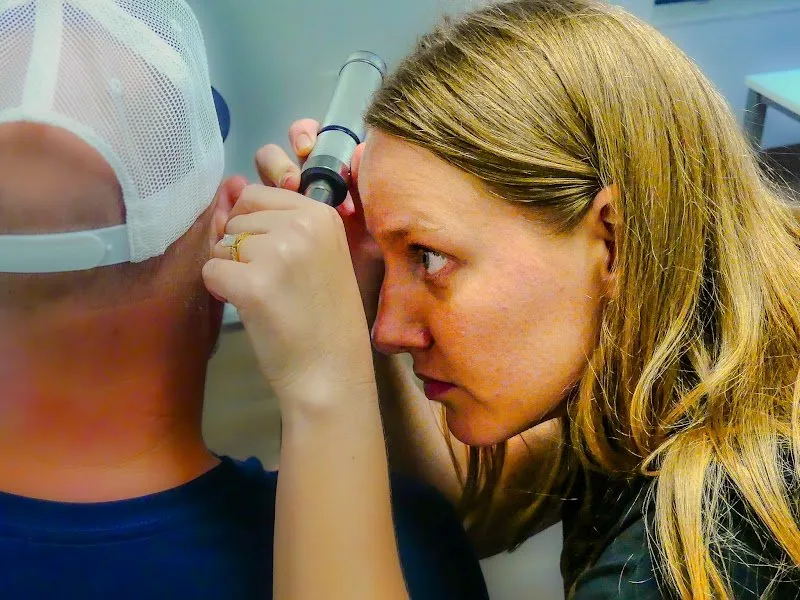
Every patient is unique. We take the time to understand your specific hearing needs, lifestyle, and goals to create a customized treatment plan just for you.
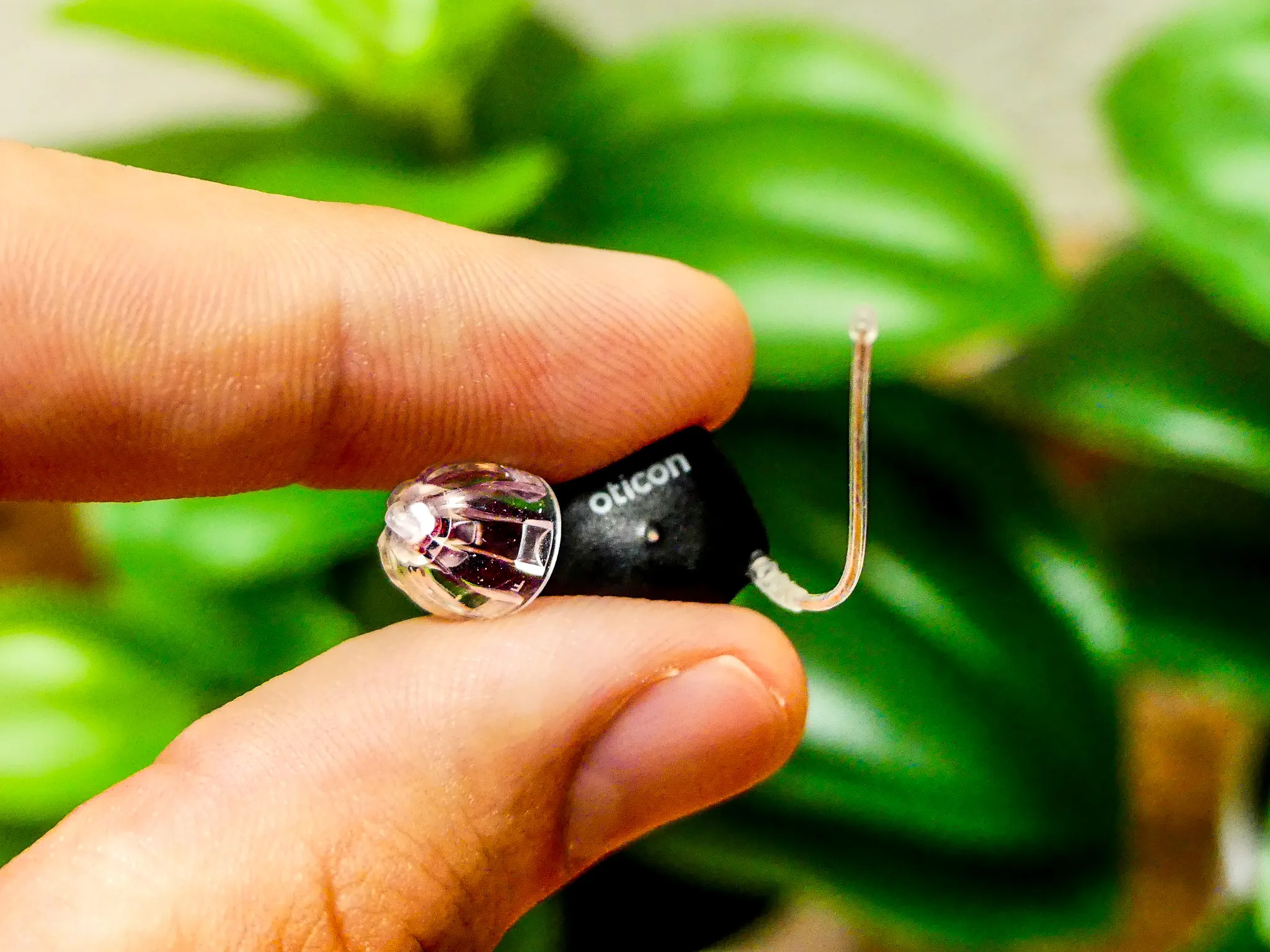
We offer the latest hearing aid technology from the world's leading manufacturers, ensuring you get the best sound quality and features available.
No hidden fees, no surprises. We provide clear pricing and work with your insurance to maximize your benefits and make quality hearing care affordable.
Locally trusted, community invested



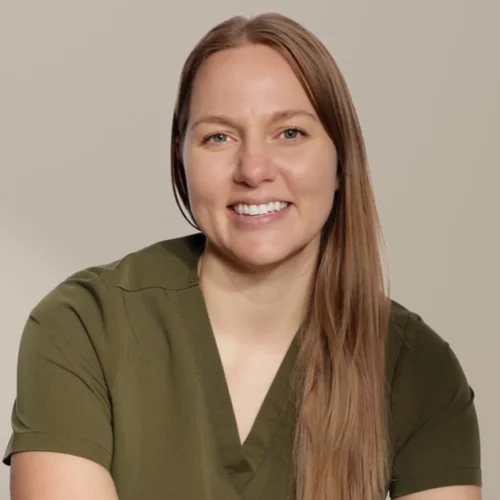
Dr. Joy Hooter is a Doctor of Audiology with over a decade of experience helping patients across Central Texas rediscover the joy of clear hearing. She brings both expertise and empathy to every patient interaction.
With advanced training in the latest audiological techniques and hearing aid technologies, Dr. Hooter is committed to providing comprehensive, personalized care that addresses each patient's unique hearing needs and lifestyle.
"My goal is to help every patient hear their best and live their fullest life. Hearing loss doesn't have to hold you back from the conversations, relationships, and experiences that matter most."
— Dr. Joy Hooter, Au.D.
Partnering with leading manufacturers to bring you the latest technology
Our Primary Brands for New Fittings
We Also Service & Support
Already wearing another brand? We're happy to service, adjust, and support your current hearing aids regardless of where they were purchased.
Find the perfect hearing aid for your lifestyle
Explore Your Options
From quiet conversations to lively family gatherings — hear every moment with clarity and confidence.
Start Your Hearing JourneyQuality hearing care should be accessible to everyone
We work with most major insurance providers to maximize your benefits:
Ready to take the next step? Send us an email and our team will get back to you promptly to schedule your appointment.
Email Us to ScheduleOr call us directly: (254) 362-2962
Get answers to common questions about hearing care
Still have questions? We're here to help.